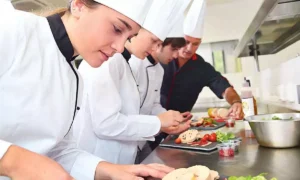

Choreographers of Taste: The Modern Chef’s Journey from Tradition to Innovation

Introduction
Few roles blend creativity, discipline, and leadership as harmoniously as that of the chef. Revered for centuries, the chef is much more than a skilled cook—this is a storyteller, a cultural guardian, and a visionary. In today’s culinary landscape, the chef is responsible not only for flavor but for crafting memorable experiences, fostering kitchen harmony, and often, changing the way we perceive food itself. This article delves into the chef’s multifaceted world, highlighting their evolution, artistry, and profound impact on contemporary cuisine.
The Essence of a Chef: Balancing Craft and Soul
A chef encapsulates both mastery and heart. From the precision of knife work to the boldness of invention, every action in the kitchen is deepened by passion and relentless pursuit of excellence.
The Core Attributes of a Modern Chef
-
Technical Prowess: Mastery of culinary techniques, from classic French sauces to molecular gastronomy.
-
Creative Vision: The ability to imagine, adapt, and elevate everyday ingredients into extraordinary dishes.
-
Leadership: Inspiring teams, managing stress, and nurturing talent in high-pressure environments.
-
Resilience: Thriving amidst long hours, fast-paced settings, and ever-changing diner expectations.
The Storytelling Power of Cuisine
Chefs are cultural narrators. Each menu is a narrative—sometimes personal, sometimes historical, always intentional.
The Chef as a Conduit of Culture
-
Chefs preserve regional traditions by reinterpreting classic recipes.
-
They explore global flavors, connecting diverse palates and breaking culinary boundaries.
-
Menus become living chronicles, reflecting seasons, celebrations, and personal journeys.
The Daily Symphony: Inside the Professional Kitchen
A chef’s day unfolds like a complex performance, orchestrated minute by minute.
Behind the Swinging Doors
-
Preparation: Hours before service, chefs oversee ingredient selection, mise en place, and the meticulous staging of every tool.
-
Mentorship: Senior chefs nurture junior talent, setting examples of discipline and integrity.
-
Service: Each dish sent out represents the entire kitchen’s reputation, demanding precision and speed.
-
Problem-Solving: Addressing unexpected shortages, adapting to special requests, and troubleshooting equipment failures all become routine.
Innovation: Reimagining Taste and Technique
Modern chefs are perennial learners, blending time-honored methods with ingenious new approaches.
Current Trends Shaping Chef Culture
-
Farm-to-Table Movement: Local sourcing highlights fresh flavors and supports community growers.
-
Plant-Based Creativity: Chefs assert their ingenuity in designing vibrant, satisfying dishes without animal products.
-
Tech Integration: Digital tools streamline kitchen operations, track inventory, and facilitate recipe development.
-
Sustainability Efforts: Reducing food waste, using sustainable seafood, and eco-conscious packaging are now integral to the chef’s mission.
The Human Side: Empathy in Every Plate
The chef’s connection to diners is intimate and profound.
Nurturing Through Food
-
Comfort: Familiar flavors evoke nostalgia and security.
-
Celebration: Bold, inventive dishes honor special moments and milestones.
-
Wellness: Thoughtful menu options accommodate dietary needs and promote well-being.
Leadership: Building Teams and Culture
Chef is also a title of responsibility. Their attitudes shape kitchen morale, influence work ethic, and foster lifelong learning.
Keys to Inspiring a Kitchen Brigade
-
Communication: Clear, consistent feedback cultivates trust and efficiency.
-
Inclusivity: Embracing diverse backgrounds and perspectives grows creativity.
-
Recognition: Celebrating successes, however small, builds loyalty and motivation.
The Chef’s Personal Evolution
No chef’s journey is static. Every day brings new lessons—some savory, others bittersweet.
Continuing Education and Growth
-
Travel: Exploring global cuisines enriches technique and taste memory.
-
Networking: Collaborating with peers inspires fresh ideas and partnerships.
-
Reflection: Embracing feedback and analyzing mistakes sharpens future performance.
Challenges and Triumphs
Despite the glamour often depicted in media, the chef’s path is paved with relentless hard work and sacrifice—and, ultimately, triumph.
Facing Adversity
-
Grueling work schedules test endurance and resolve.
-
Creative setbacks and negative reviews challenge perspective and humility.
-
Success is measured not solely in accolades, but in the loyalty of diners and the growth of protégés.
Conclusion
The chef stands as maestro, innovator, and mentor—a living bridge between heritage and possibility. In every kitchen, from humble bistros to Michelin-starred temples, chefs labor to ignite senses, foster connection, and elevate the role of food in our lives. Their journey reflects a noble dance: balancing tradition with daring experimentation, technical excellence with human warmth. True chefs do more than cook—they inspire, nurture, and transform the simple act of dining into a rich and soulful voyage.
In a world that craves authenticity and wonder, the chef’s enduring influence continues to shape culture, spark joy, and remind us all of the extraordinary power found within a single, well-crafted meal.