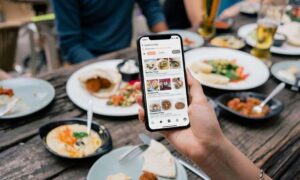

How Food Photography Influences Appetite

Food photography is no longer just about aesthetics—it actively shapes how we feel about food before we ever take a bite. From restaurant menus and delivery apps to social media feeds, visually appealing food images have a powerful psychological and sensory impact. In many cases, we eat first with our eyes, and the camera plays a starring role in that process.
The Science Behind Visual Appetite
Our brains are wired to respond strongly to visual food cues. When we see an image of food, especially one that is rich in color and texture, the brain begins preparing the body to eat.
Key biological responses include:
-
Activation of hunger-related brain regions
-
Increased saliva production
-
Anticipation of taste and pleasure
High-quality food photography amplifies these responses by presenting food in its most ideal form—often better than it looks in real life.
Color and Contrast: Why Certain Foods Look Irresistible
Color plays a major role in appetite stimulation. Warm tones and strong contrast tend to make food appear fresher and more flavorful.
Examples of color psychology in food imagery:
-
Red and orange tones can increase hunger and excitement
-
Green suggests freshness and health
-
Golden browns signal richness and comfort
Balanced contrast between the food and the background also helps the subject “pop,” making the dish more visually engaging.
Texture and Detail Trigger Sensory Imagination
Close-up shots that highlight textures—crispy crusts, glossy sauces, soft crumbs—help viewers imagine how the food will feel and taste.
This visual detail encourages:
-
Mental simulation of eating
-
Stronger cravings
-
Longer attention on the image
The more clearly the texture is shown, the more realistic and tempting the food appears.
Lighting and Mood Set the Emotional Tone
Lighting does more than illuminate food—it creates emotion. Soft, natural light often makes dishes feel fresh and inviting, while darker lighting can suggest indulgence or sophistication.
Common lighting styles and their effects:
-
Bright, natural light: freshness, simplicity, daytime eating
-
Low-key lighting: richness, luxury, comfort food
-
Directional light: depth, realism, and focus
These choices subtly guide how hungry or indulgent a viewer feels.
Plating and Composition Influence Perceived Taste
How food is arranged on a plate affects expectations. Clean composition and intentional spacing often signal quality and care.
Well-composed food photography can make food seem:
-
More expensive
-
More flavorful
-
More satisfying
Even simple dishes benefit from thoughtful composition that directs the viewer’s eye.
Social Media and the Rise of Visual Cravings
Platforms driven by images have changed how we experience food. Seeing beautifully photographed meals multiple times a day can influence eating habits and cravings.
Common effects include:
-
Increased desire for specific foods
-
Trend-driven eating choices
-
Heightened expectations of presentation
In some cases, appetite is triggered not by hunger, but by repeated visual exposure.
Marketing, Menus, and Buying Decisions
In restaurants and food delivery apps, photography directly affects purchasing behavior. Customers are far more likely to order items with high-quality images.
Food photography can:
-
Increase perceived portion size
-
Justify higher prices
-
Encourage impulse ordering
A well-shot image can be the deciding factor between scrolling past and placing an order.
When Images Oversell Reality
While food photography stimulates appetite, it can also create unrealistic expectations. Over-styled images may lead to disappointment if the real dish doesn’t match the visual promise.
This gap highlights the importance of authentic yet appealing food imagery—especially for brands focused on trust and repeat customers.
Conclusion
Food photography strongly influences appetite by activating the senses, shaping expectations, and triggering emotional responses. Through color, texture, lighting, and composition, images can make us hungry even when we weren’t moments before. In a visually driven world, understanding this influence helps explain why food images are so powerful—and why they’re everywhere.
Frequently Asked Questions (FAQ)
1. Why do food photos make me hungry even when I just ate?
Visual cues can activate appetite-related brain responses independent of actual hunger.
2. Does food photography affect everyone the same way?
No, individual experiences, culture, and dietary habits influence how strongly someone reacts.
3. Are certain foods more effective in photos than others?
Yes, foods with rich textures, vibrant colors, and contrast tend to perform better visually.
4. Can food photography influence healthier eating choices?
It can, especially when healthy foods are presented in an appealing and relatable way.
5. Why do restaurant meals sometimes look different from photos?
Photos are often styled and lit to highlight ideal appearance, which may differ from real-world conditions.
6. How does food photography impact children’s eating habits?
Children are highly responsive to visual cues, which can shape preferences and cravings early on.
7. Is professional food photography worth it for small food businesses?
Yes, strong visuals can significantly improve engagement, trust, and sales, even for small brands.