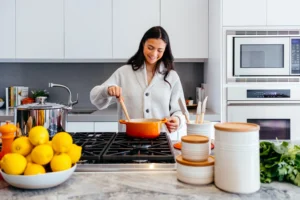

How to Cook Healthy Without Losing Taste

Eating healthy doesn’t mean resigning yourself to bland meals or joyless plates. In fact, the most flavorful cuisines in the world rely on simple, wholesome ingredients prepared thoughtfully. The secret is not restriction, but technique, balance, and intention. When you understand how flavors work, healthy food can be deeply satisfying and crave-worthy.
Understand Flavor Before Cutting Calories
Before removing ingredients, it helps to know why food tastes good in the first place. Flavor is built from a combination of salt, fat, acid, heat, and aroma. Healthy cooking keeps these elements intact while choosing smarter sources.
Key Flavor Builders to Focus On
-
Salt: Enhances natural flavors, even in small amounts
-
Fat: Carries flavor and creates mouthfeel
-
Acid: Brightens dishes and prevents dullness
-
Aromatics: Garlic, onions, ginger, herbs, and spices
When these are balanced correctly, you need less sugar, less oil, and fewer processed ingredients.
Choose Better Fats, Not Fat-Free Food
Fat isn’t the enemy—poor-quality fat is. Removing fat entirely often leads to flat, unsatisfying meals.
Healthier Fat Choices
-
Extra virgin olive oil for sautéing and dressings
-
Avocado oil for high-heat cooking
-
Nuts and seeds for texture and richness
-
Fatty fish like salmon for natural umami
Using a moderate amount of good fat makes food more filling and flavorful, reducing the urge to overeat.
Rely on Herbs, Spices, and Natural Seasonings
One of the biggest mistakes in healthy cooking is under-seasoning. Herbs and spices add complexity without adding calories.
Flavor-Boosting Options
-
Fresh herbs like basil, cilantro, parsley, and rosemary
-
Spices such as smoked paprika, cumin, turmeric, and black pepper
-
Aromatics like garlic, shallots, ginger, and scallions
To maximize flavor, toast spices briefly in a dry pan or oil before adding other ingredients.
Use Cooking Methods That Enhance Taste
How you cook matters just as much as what you cook. Certain methods naturally intensify flavor without extra calories.
Best Techniques for Healthy, Tasty Food
-
Roasting: Brings out natural sweetness through caramelization
-
Grilling: Adds smoky depth without heavy sauces
-
Sautéing: Quick cooking preserves freshness and texture
-
Steaming (done right): Finish with herbs, citrus, or infused oils
Avoid boiling vegetables excessively, as it leaches both nutrients and flavor.
Don’t Fear Salt—Use It Strategically
Salt is often blamed unfairly. The real issue is when and how much you use.
Smart Salting Tips
-
Season in layers instead of all at once
-
Use finishing salts sparingly for stronger impact
-
Balance salt with acid (lemon juice or vinegar)
Proper seasoning can make healthy food taste indulgent without needing sauces or sugar.
Balance Your Plate for Satisfaction
A healthy meal should feel complete, not like something is missing. Combining textures and food groups prevents cravings later.
A Well-Balanced Plate Includes
-
Lean protein: Chicken, eggs, beans, tofu, or fish
-
Complex carbs: Whole grains, legumes, or starchy vegetables
-
Colorful vegetables: For fiber, nutrients, and visual appeal
Contrast is key—pair something crunchy with something creamy, or something warm with something fresh.
Reduce Sugar Without Losing Pleasure
Many dishes rely on sugar unnecessarily. You can often achieve the same satisfaction with natural alternatives.
Smarter Sweetness Strategies
-
Use roasted fruits for desserts
-
Add cinnamon or vanilla to enhance perceived sweetness
-
Balance sweet dishes with a pinch of salt
Your palate adapts quickly, and over time you’ll crave less sugar naturally.
Cook at Home More Often
Home cooking gives you full control over ingredients, portions, and flavor. Even simple meals can be transformed with attention and care.
Cooking healthy isn’t about perfection—it’s about consistent, mindful choices that still celebrate good food.
Frequently Asked Questions (FAQs)
Is healthy food supposed to taste different from regular food?
Healthy food can taste just as rich and satisfying when it’s properly seasoned and cooked using the right techniques.
How do I make vegetables taste better without sauces?
Roasting, grilling, and seasoning vegetables with herbs, spices, and a bit of acid dramatically improves flavor.
Can healthy cooking still feel indulgent?
Yes. Using quality fats, bold spices, and proper techniques creates indulgent textures and tastes without excess calories.
What’s the biggest mistake people make when cooking healthy?
Under-seasoning and relying too heavily on low-fat or fat-free products that lack flavor.
How long does it take for taste buds to adjust to healthier food?
Most people notice changes within two to three weeks as their sensitivity to natural flavors increases.
Are healthy meals more time-consuming to cook?
Not necessarily. Many healthy meals rely on simple ingredients and quick cooking methods.
Can I still enjoy comfort food while eating healthy?
Absolutely. Comfort food can be lightened with better ingredients and smarter cooking methods without losing its soul.